Property prices confuse many people, and for good reason. Two homes on the same street, similar in size and age, can list at prices that are $40,000 apart. One sells in a week. The other sits for two months. If you've seen that happen and wondered what's actually going on, this is worth reading before you make any decisions about buying or selling.
The number on the listing isn't random. But it's not a straightforward calculation either. In short, it's the result of several overlapping factors, including physical and psychological factors, as well as timing and market conditions. And whether you are a buyer or a seller, understanding those factors puts you in a much stronger position.
Beyond Square Footage: What Really Shapes a Property's True Value
Square footage is the first number people look at. It's also one of the least reliable indicators of actual value on its own.
A well-designed 1,500-square-foot home with good natural light, a functional layout, and updated systems has the potential to outperform any 2000-square-foot mid-designed property in both appraised value and buyer interest. A experience investor understands the difference and the value it holds.
Usable space matters more than total space. A basement that floods seasonally, a large backyard that backs onto a commercial property, or a bonus room accessible only through another bedroom all reduce the practical value of square footage that looks good on paper.
The condition of major systems is another factor that catches buyers off guard at offer time. Roof age, HVAC condition, plumbing, and electrical updates aren't just aesthetics. A home with a roof that has three years left and an HVAC system past its service life carries a real deferred cost, even if the listing price looks competitive. Experienced buyers account for that. First-time buyers often don't, and they pay for it later.
The Role of Market Timing, Demand Shifts, and Buyer Psychology
A home priced the same will achieve variable results depending on its market time. This is not just a statement; it has been proven across every real estate market using transaction history data and is a calculated occurrence in all.
The most buyer activity in residential real estate has been seen from spring to early summer. Greater competition amongst buyers leads to more rapid sale times and better overall pricing strategies. While there is no disadvantage to listing or purchasing outside of this window, there will be a changing of the timing dynamics, and as a result, the selling/buying strategy to be employed in such activity will be reflective of the time at which the transaction meets the market.
When interest rates change, there is often a significant change in what a buyer is willing to pay. From 2021 to 2023, the 30-Year mortgage interest rate increased from 4% to 7%. The result of this is that the monthly payment on a $400,000 mortgage would increase by more than $700. This has resulted in modifications to buyer qualifications to determine buyers' purchasing power and ability to stretch for a price. A highly competitive real estate market at low interest rates will generally reduce its level of flexibility as interest rates rise, and buyers who are cognizant of timing issues related to such fluctuations in lending rates are in a more proactive flex space.
Buyer psychology also shapes final prices more than most people want to admit. A home that photographs well, shows clean, and feels move-in ready creates a different emotional response than an identical home that looks tired, and that response shows up in offers. Buyers make emotional decisions and justify them logically afterward. Sellers and agents who understand that dynamic use it deliberately.
How Presentation, Upgrades, and Perception Influence Final Sale Price
Perception isn't separate from value in real estate. For most buyers, it is valuable, at least in the moment they're deciding what to offer.
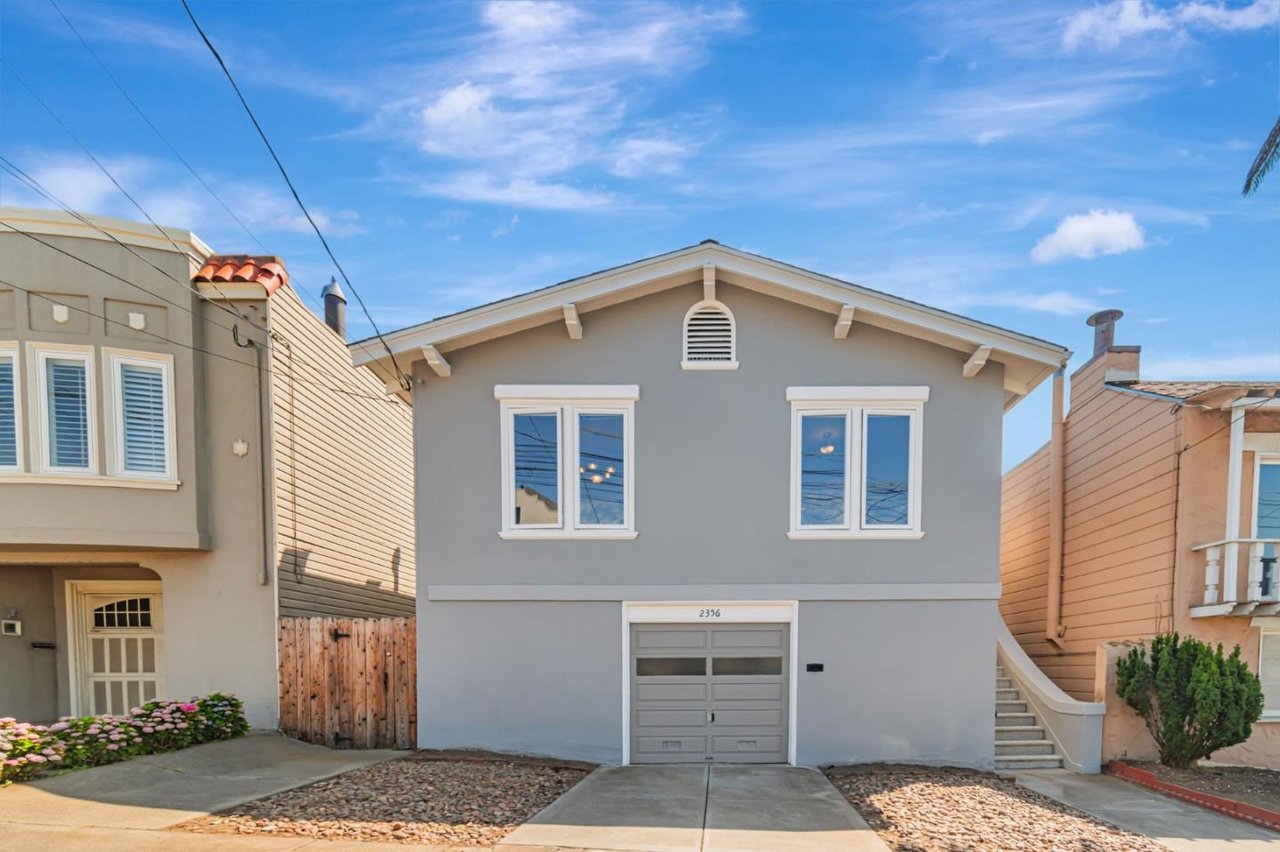
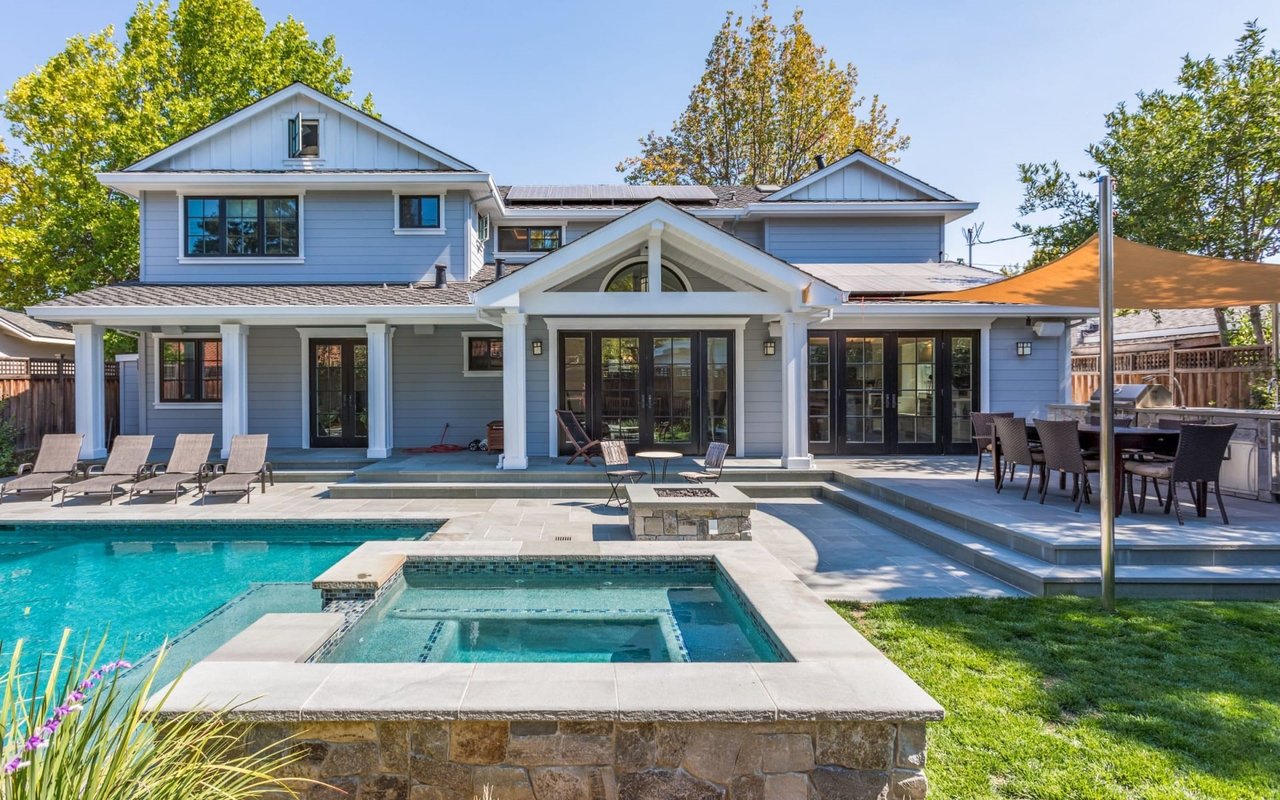
Curb appeal and listing photography set expectations before anyone steps inside. A home that looks well-maintained from the street and photographs with good light and clean lines attracts more showings, hence creating more competition, thus pushing the prices of the property.
Not all upgrades return equal value. Kitchen and bathroom updates consistently produce the strongest results, particularly when they modernize dated finishes without over-improving relative to comparable homes in the area. A full luxury renovation in a mid-range neighbourhood won't recover its cost at resale. But targeted updates, new countertops, updated fixtures, fresh cabinet hardware change buyer perception at a fraction of that investment.
Fresh neutral paint is the most consistently underrated improvement a seller can make. It makes a home feel clean, larger, and move-in ready. Buyers price in the work they think they'll need to do after closing, and anything that reduces that mental list helps the final number.
This is exactly the kind of strategic thinking that separates a well-executed sale from one that leaves money on the table. In competitive local markets, working with someone who has that ground-level expertise is like the agents operating within the John Marshall real estate network; it makes a direct difference in how a property is positioned, priced, and sold.
Conclusion
Property valuation is never just a number pulled from a formula. It's the result of physical condition, location dynamics, market timing, buyer psychology, and how the property presents at every stage of the process.
Whether you're buying or selling, the goal is the same: understand what's actually driving the price, and look beyond the listings. The buyers and sellers who do that work consistently make better decisions. Those who rely solely on the listing price and square footage often find out what they missed after the deal is done.
If you're preparing to navigate that process, partnering with someone who understands the John Marshall real estate market at that level of depth isn't a luxury — it's the practical choice.